Showing posts with label Nikon Coolpix 8400. Show all posts

Tuesday, June 07, 2011

Saturday, January 10, 2009

More Archive Pictures – Orchids


More Archive Pictures – Orchids

While wading through the archives on my computer I found these Orchid pictures from the NYBG show. Backing up everything on the computer is proving to be a chore but the added benefit is getting rid of some useless stuff. The upgrade went well and instead of upgrading the processor we just tried doubling the RAM, which has helped with the speed issues. Since my computer is a Quicksilver 2002 it should really be replaced next year. Getting a new computer is actually a hassle to me especially since the operating system will have to be upgraded to 10.5 (leopard) and I really like 10.4 (tiger).

Today’s Orchids were shot with the Nikon Coolpix 8400 compact camera. While going through the photos of the show it was nice to remember the sights and smells. Hopefully we will be back from California in time to see this year’s show. Seeing the start of the show is best because the flowers are freshest.

Epidendrum Fantasy Valley ‘Starburst’
(ep-ih-DEN-drum)

Epidendrums are easy to grow and although the flower is smaller it blooms in such nice colors and masses of flowers that it is special. These Orchids are Epiphytic, which means they “grow upon or attaches to a living plant.” The name Epidendrum comes from Greek meaning ‘upon trees”.

While rummaging through the pictures I have decided to put a couple of six picture portfolios together and enter them in the International Garden Photographer of the Year contest by Kew Gardens. It’s not that I think I am good enough to win but more of just trying to take a critical look at the pictures and see what I can work on this year.

We have another big snow storm forecast for today. So far Connecticut has gotten a lot of snow and ice this winter. A polar outbreak is supposed to follow the storm (great). We are usually dancing on the rain/snow line here during the winter and lately the rain as stayed just to the south by as little as 25 miles.

Saturday, September 27, 2008

Dahlia Festival 2008 – Day Six- Point and Shoot Dahlias

Dahlia 'Candlelight'

Dahlia Festival 2008 – Day Six
Point and Shoot Dahlias

The flower pictures in this post were taken with my Nikon Coolpix 8400. It is a great camera that is chock full of features. It isn’t exactly a pocket cam (a little more bulky than that) but it is a lot smaller than the D70s that I usually use. My favorite digital camera I have owned was my Coolpix 4300 but at 4MP the files didn’t really allow for any cropping or enlarging.

'Camano Pet'


The 8400 features a 24-85mm ED (extra low dispersion glass) lens, which is quite wide for a digicam. I usually run it in manual mode but sometime in the ‘A’ or ‘P’ mode. It has two user menus one of which is set to monochrome and the other has the color settings I use. It is handy to be able to switch between the two. When taking Black and White photos it is nice to be able to see what they will look like in the viewfinder instead of converting them later on.

The 8400 takes nice color photos, also.


Right now both my wife and I are on the market for true pocket cams. There are so many to choose from that I will be stopping at a couple of stores to see what is available. My guess is they will be Nikons, :lol:, but we will looking at all the options.

A Black and White Skywatch Dahlia.

A couple of these Dahlias are identified because I recognize them but usually with the small camera it is kind of free shooting time where I am not worried about the type or name of the flower just trying to take a nice picture.

Sunday, July 20, 2008

Two Black and White Dahlias


Two Black and White Dahlias
(DAHL-ya)

This first flower is Dahlia 'Aitara Majesty’ which is a large yellow flowered cultivar from Australia. The flowers can reach up to 12 inches across on a 5-foot tall bush and is considered a semi-cactus form.

This second flower is Dahlia ‘Camano Pet’. It is considered a stellar type of Dahlia. To see how Dahlia flowers are classified check out this page from the Connecticut Dahlia Society .


Both of these pictures were taken out on Long Island yesterday. I visited both the Bayard Cutting Arboretum and Planting Fields. Both gardens have large Dahlia gardens. It was a little too hot to hang out and take a lot of pictures, the heat index was around 100F. Both places were virtually deserted which was fine with me. I will have to visit both gardens again when they are peaking in late August and September. As usual for my black and white flower pictures these are shot with the Nikon Coolpix 8400 on the monochrome setting. They are not color photograph conversions.

Thursday, July 03, 2008

Black-Eyed Susan Vine

Black-Eyed Susan Vine
Thunbergia alata
(thun-BER-jee-uh) (a-LAY-tuh)

This is the second year I have been growing this vine. It is doing well again this season even after the irrigation system that waters the containers went crazy and kept it completely submerged for about 2 1/2 weeks before I noticed it. It seemed to shrug off the flood with a few yellow leaves and is back to growing like crazy. It was bought with both this orange type and a yellow flowering variety in the same pot. I am going to have figure out how to add more height to stake that is in there now or attach some sort of trellis to the pot as it is just winding around itself now. Black-Eyed Susan Vine likes to be in full sun and well-drained soil. It is a perennial in mild climates. My friend tells me it can grow indoors over the winter in a sunny window. I will have to try that.

This is from the wedding I attended over the weekend. The photographer was kind enough not to mind other photographers when she was setting up the shots. I hope she puts up a website soon for her photography as she has a lot of talent. I got to see some of the wedding pictures she took before I left Maine and they were pretty amazing especially with the equipment and conditions considerations she had to deal with. All of the Black and White pictures on this site (not that many) are taken with my Nikon Coolpix 8400 set to Monochrome.

Sunday, June 08, 2008

Climbing Rose ‘Royal Gold’ and some Work Gardens

Climbing Rose ‘Royal Gold’
Rosa ‘Royal Gold’
Breeder: Dr. Dennison Morey, United States (1957)
Height: 10 feet
Parentage: Goldilocks, Cl. × Lydia (hybrid tea, Robinson, 1949)
Hardy to USDA Zone 6

‘Royal Gold’ is a beautiful colored climbing rose that is named perfectly. It is such a deep yellow. It also has strong fragrance. This rose has actually been trained into a pillar type, which is a first for me. So far so good.

I picked ‘Royal Gold’ because I wanted this to be a home grown post. I have decided to include a couple of garden pictures from work. You will see why they are not posted very often. I am a lousy landscape photographer and don’t seem to be getting any better. Compressing the photos to fit in this space doesn't help, either. Here a few snapshots from some of the gardens this week.

The Estate’s Mountain Laurels (Kalmia) are blooming right now. This is one of the best patches but there are many others spread throughout the garden. This picture was taken looking out from inside the garage. The Mountain Laurel goes on for about 20 more feet outside of the frame. It is funny because this is definitely one of the hottest parts of the garden. The sun is really strong here and the Mountain Laurel thrives. It makes me think that people often plant Mountain Laurel in too much shade. If you look over to the bottom right side you can see my little patch of Blue Star (Amsonia tabernaemontana) that has been growing strong for 20 years. I have never divided it and it still comes up every year. Please excuse the Yellow Flag Iris (Iris pseudacorus). I shouldn’t be growing it since it invasive. There is actually a little waterfall and pond that it is growing in. It is cut down completely after it is done flowering. I am going to straighten that bird house tomorrow :lol:


These next two are a different house. I liked the combination in the first one. Both of these were taken with my point and shoot (Nikon Coolpix 8400) but I actually use the manual controls on it. I am going to try and post some more garden photos tomorrow.


Sunday, March 23, 2008

Black and White Orchids

Black and White Orchids

Yesterday I attended the New York Orchid Show again. The flowers were still fresh and I saw a couple of Orchids that either I missed last time or were new. I took both of my Point and Shoot cameras (or compact cameras as I like to call them) with me to try and shoot a couple of Black and White images. I call them compact cameras since they are capable of running on full manual settings, if you want. I can never believe all the technology that is packed into these little boxes. I think that Orchids are detailed enough to give some interest to a black and white photo and once the magnificent color is stripped away you are down to the shape of the flower.


I didn’t get the names of these orchids on purpose, although you may see color versions of the same flower in a later post. These are not conversions from color. They are shot in the ‘monochrome’ setting on the camera. I think the camera seems to take a better picture when it is set to black and white then the conversions. I used both my Nikon Coolpix 5400 and 8400 for these pictures.


I am going to keep it short since it is a holiday. Happy Easter to all that are celebrating. Since I spent a lot of time at the Orchid Show I didn’t get to walk around the NYBG grounds yesterday. I had to go straight from the show to my appointments. I got a couple of pruning jobs. One is going to take about a week. That is a lot of cutting.

Monday, December 10, 2007

Black and White Flower


Black and White Flower

Here are a couple of black and white pictures from this summer. The first one is a Datura (I think) or Jimson Weed. At first I thought it was a Brugmansia (broog-MAN-zee-ah) but read that the flowers point down (non-erect) on that genus where the Datura flowers point upwards which this flower did. One of the funny things I read about this plant is it is called Devil’s Trumpet since the flowers point upward toward heaven and the Brugmansia is called Angel’s Trumpet as those flowers point down from heaven. I really want to stress that all parts of both of the mentioned plants are poisonous. Small doses may produce a hallucinogenic effect but often times can cause an overdose and even death. Some towns and counties have outlawed its cultivation. I am not sure which species of Datura this is.

All that said it is a beautiful flower that can grow tall and is perennial in some areas. I had a patch growing that I didn’t think was perennial but produced a new crop of seedlings each year. It eventually thinned out and died off. I wouldn’t mind growing some more in an isolated area of the garden.

These are pictures shot with my Nikon CoolPix 8400 on the monochrome setting. I have the function button set up for the two User Settings and one is color and one is Black and white so it is easy to switch between the two.


This is a water garden I saw this summer at the Staten Island Botanical Garden. This picture turned out more effective than the color version.

Two of my favorite garden blogs are discussing content scraping of garden blogs by other sites. I don’t like it and so far people I have contacted have removed my posts from their sites. I have again gone to the shorter RSS feeds because of the scraping.

Discussion is ongoing here:
annie in austin

and here:
Mr. Brown Thumb

Thursday, September 20, 2007

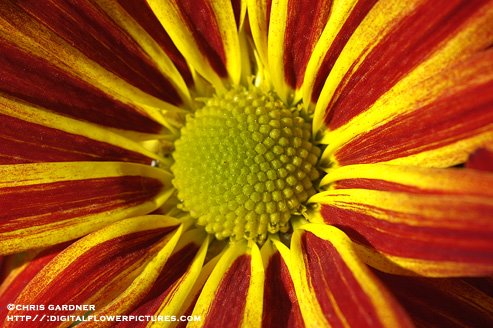
Large-leaf Princess Flower (Tibouchina grandiflora)
Large-leaf Princess Flower
Tibouchina grandiflora
Synonyms: Glory Flower

The color of this flower immediately caught my attention. It is striking and not quite faithfully reproduced by my trusty camera. There is just something, to me, about rich purple flowers. I have grown the Princess Flower (Tibouchina urvilleana) before and seen it growing outdoors in warmer areas but I hadn’t seen this one before. I would characterize it was a smaller more intense Princess Flower. I don’t understand the scientific name of this plant. Grandiflora would indicate large flowers but they are actually smaller than most Tibouchina. That may need looking into and I did find a website that said this plant maybe a form of T. heteromalla. I guess it doesn’t matter because the flower and velvety dark green foliage are beautiful and that is what matters.


This plant is hardy to USDA Zone 9 and can get up to 12 feet tall. This particular specimen was growing in a greenhouse and looked very healthy but my attempts to over winter the Princess Flower in the Conservatory at work ended miserably. That was probably my fault if anyone knows any tricks let me know. I would love to start with a large plant in the spring as opposed to getting a new smaller one each spring.

I have been posting a lot of Black and White photography and people have been kind in their assessment of it. I am pretty happy with some of the photos but want to get better at it. Maybe a few black and white flowers. They would have be the right ones in order for that to work. This picture is of the Whitney Museum in Manhattan. It is right across the street from Grand Central Terminal (which a corner of is reflected in the window if you look real hard). When I saw it I knew it would be a good picture but no matter what I tried I couldn’t get the perspective distortion out of it. I shot this with the Coolpix 8400 with the lens at a 24mm equivalent. I took some pictures then went over to GCT to get a cup of coffee and head into the Subway when I accidentally deleted them so it was back across the street for a reshoot. That never seems to work out well for me.


After 3 days of super intensive gardening work my body feels a little beat up. It doesn’t bounce back quite the way it used to. Oh well, I got a lot done and it was exciting. It is back into the trenches today as I tackle a half acre of Purple Joe Pye Weed, it has got to go!

Friday, August 31, 2007

Outtakes from ABC Wednesday


Outtakes from ABC Wednesday

Every week when I participate in ABC Wednesday I have a lot of pictures left over from that particular letter. This week I went with Foliage as the ‘F’ word (that sounds funny) and had ‘F’ruit as a back up. So I thought I would go ahead and post the fruit pictures. The definition of fruit in Botany is: the seed-bearing structure of a plant, e.g., an acorn. It was easy to find all sorts of examples of this out in the garden this time of year. I actually had many more examples of this type of thing but decided to post these. The first picture is from the Estate and is the seed capsule of Large Leafed Cucumber Tree (Magnolia macrophylla). I read somewhere that this tree holds the record for having the largest simple leaf in North America. It really adds a tropical feeling to gardens in this area as it almost looks like a Banana Tree.


This second photo is from a Fragrant Snowbell Tree (Styrax obassia). I don’t know why more people don’t grow Styrax because they are beautiful small scale trees that don’t seem to have too many problems. At least my experience with them is they are trouble free and very rewarding. They bloom a bit later than most of the flowering trees around here. This picture was taken in Monochrome with my Nikon Coolpix 8400. It is an awesome camera that has so many features I still learning about them. When they were discontinued by Nikon the price fell through the floor and I only paid $399. What a bargain. It gives you a choice of 2 different User Settings, which can be selected via the little wheel (there is probably a technical term for the wheel). You can set the various menu items for each one and toggle back and forth. I have one set to the color setting I like and the other to the Black & White settings. That makes it easy.


This third picture was taken at Wave Hill last Saturday afternoon. The Grape Arbor hangs over part of the terrace outside the little café. Sometimes it feels so weird being in the Bronx and sitting under a beautiful Grape Arbor. I didn’t see what type of grapes they were.

Saturday, July 07, 2007

Dwarf French Hydrangea (Hydrangea macrophylla 'Pia')


Dwarf French Hydrangea
Hydrangea macrophylla 'Pia'
(hy-DRAIN-juh) (mak-roh-FIL-uh)
Hydrangeaceae (hy-drain-jee-AY-see-ay)
Synonyms: 'Piamina', 'Comet', 'Winning Edge', 'Pink Elf’

This is from the Brooklyn Botanical Hydrangea collection. The collection itself wasn’t that big nut it had some interesting members. I hadn’t seen this dwarf before and I thought the flower color was outstanding. Some research revealed some problems with this plant including reverting to a tall type and leaf spot. I still would try anyway as the size and color make it look like a worthwhile garden denizen.


This Variegated Hydrangea was marked ‘Lemon Wave’ but it wasn’t as yellow as some of them I have seen. I liked the flower color which was a nice pale lavender. The little splotches of yellow on the teeth of the leaves was interesting. You might miss it if you didn’t look closely. The plant itself was also compact.


This is a shot of the Lotus Pool. The pool and the garden surrounding it was my favorite part of the garden. I shot this with my Point and shoot camera. It is a
Nikon Coolpix E8400.


I hadn’t had it out in awhile but Karen was using her D80. I have the 8400 set to a 3:2 aspect ratio (instead of it’s normal 4:3) which I like a lot better.

Monday, April 30, 2007

Clove Currant (Ribes odoratum)


Clove Currant
Ribes odoratum
(REE-bees)
Grossulariaceae

I wasn’t familiar with this plant until I saw it blooming at Wave Hill. I had heard about it but never seen it. I think that it was in top form both with flower and foliage. The color was set off nicely by the Hally Jolivette Cherry ( Prunus x ‘Hally Jolivette’ planted behind it. The scent was amazing and I could smell it quite a distance away. It took me along time to appreciate yellow flowers but now they are some of my favorites. The hint of red in the flowers and buds adds a lot to the beauty. I don’t think this is the kind of plant you would want next to your front door. It would be better in a mixed shrub border or the edge of naturalized woodlands. I realize I probably saw this group at its height of appearance for the year. I am not really recommending this plant but I did enjoy seeing it. Ribes can be an alternate host of the White Pine Blister Rust.


I took this picture of the Ribes and the Cherry with my point and shoot camera. It is a Nikon Coolpix 8400. It is a real nice camera and I just figured out that it shoots in the ‘SLR-type’ 3:2 aspect, if you want it to. It normally has a 4:3 aspect, which is okay for some pictures but I would rather use the 3:2 aspect for composition.

The botanical description of Ribes said the following:
“Leaves usually alternate, often 3-5 lobed, crenate or dentate”
Crenate means:
“Scalloped with shallow, rounded teeth”

Synonyms: Buffalo Currant, Yellow-flowered Currant, Missouri Currant, Ribes aureum var. villosum

Saturday, December 09, 2006

Red Irish Rose


I have been going through some pictures from the trip to Ireland I took this summer. It was a real luxury to be able to go during the height of the season. Usually when I go to Europe it is winter. I spent my time around Dingle in the Southwest of Ireland. It is a lovely area for sightseeing. The gardens and flowers were truly amazing. Everything seems to grow very lushly. We were lucky as there was virtually no rain while we were there. This picture is from a pub we stopped at for lunch. It had several types of bush and climbing roses outside. You’ll forgive me if the picture isn’t that steady because I had a couple of pints with lunch (lucky I wasn’t driving). I have updated my Ireland pages over at my other website: Digital Flower Pictures.com. Since the airfare wasn’t too bad for the top of the season we may try and sneak away again to Ireland next summer.

I am getting ready to go to Longwood Gardens for the weekend. They do some nice Christmas lights and the Conservatory is always nice this time of year. I am meeting my brother down there. Just a quick one-day getaway, which is fine for this time of year. I will be happy to get my Nikon Coolpix 8400 back today. I am stopping in Manhattan to pick it up. It turned out the place I took it to get fixed had to send it to Nikon, as they were not ‘factory-authorized’ to repair the 8400. That slightly pissed me off but it was the same price and I guess they got it back from Nikon a lot faster than if I sent it to them. I have missed not having a point and shoot camera. I hope they fixed it properly.

Sunday, October 15, 2006

Chrysanthemum


We just couldn’t let the season go without having at least one mum here at the house. I don’t have much of garden here. I don’t really have time as I am taking care of other people’s gardens. My wife picked out this striking one, that’s my girl. I haven’t seen one like this before and she said it was the only one they had. I actually had a few mums come up from last year. I was happy to see them blooming last week. I remembered to pinch them a couple of times so they didn't bloom in July. I was out shopping some of the retail nurseries fall sales and picked up some bargains that are needed for the planting job next week. I got a few things that were on the list and a couple of things that weren’t. I was able to find a couple of flowers to take pictures of and will post them this week. We have another cold night ahead as it may dip down to 29 degrees F. Karen broke one of my cameras and I am going to have to pack it up and send to Nikon. She forced the flash card in the wrong way. It isn’t really her fault, as the card seems to go in upside down and backwards. It is a Coolpix 8400, which is a very nice point and shoot. I have a Coolpix 5600 and that camera really feels tiny compared to the 8400. Oh well I can get by, the 5400 is actually a very good camera.

Too bad I don’t know what this mums name is. There was only a generic tag in the pot that said “Grown in Canada”. I hope it is a sign of things to come in mum varieties.


Friday, July 21, 2006


Morning Glory ‘Heavenly Blue’
Ipomoea tricolor
(ip-oh-MEE-uh) (TRY-kull-lur)
1/60 sec. F/5.4
Nikon Coolpix 8400

This plant was supposed to be ‘Star of Yelta’, which is a dark purple and red stripe Morning Glory. This is getting to be a pet peeve of mine. There have been several plants this year that were marked wrong. The ‘Star of Yelta’ was going to be a nice foil for some white petunias but it didn’t work out that way. 'Heavenly Blue' looks nice with the petunias, but it is just not as dramatic. Anyway, it is hard to mad at this plant as each morning it greets me with a dazzling array of beautiful blue. I decided to mix in a Cypress Vine (Ipomoea quamoclit) and that really livened things up a bit. They are happy twisting around each other.

There are 68 species in the genus, a lot of which are considered invasive. The Sweet Potato Vine (Ipomoea batatas) is among the species.

Tuesday, July 11, 2006


Dahlia 'Shannon Magenta'


I love to photograph Dahlias. They seem to have there own built-in lighting system. This is the first Dahlia bloom I have grown this season. It came in marked as ‘Lilac Time’ and the color is certainly close. The flower is smaller than a dinner plate type. It is actually 'Shannon Magenta'. The other plants I have are just starting to bud. The wait is agonizing, as I bought mixed Dahlias this year and I am interested to see what I actually got.

Dahlias are native to Mexico. The Aztec culture had many uses for the Dahlia. A box of plants was sent to the Netherlands in 1872 and only one plant lived. This would go on to become one of the parents of most all of the modern hybrids. The breeding work that has gone into Dahlias is impressive; there are literally tens of thousands of cultivars. Of the 12 major classifications of Dahlias, my favorites are Cactus and Decorative. There are 14 different color classifications.

Dahlias are high maintenance gardening, though I encourage people to try them. They are one of the most beloved garden flowers.

If anybody is wondering, all these photos are digital. I like Nikon cameras and have a D70s, Coolpix 8400 and 5600. I use a Nikkor-micro 60mm lens on the DSLR.


“The heat was terribly oppressive, and the huge sunlight flamed like a monstrous dahlia with petals of yellow fire.”

The Picture Of Dorian Gray
Oscar Wilde